
Introduction
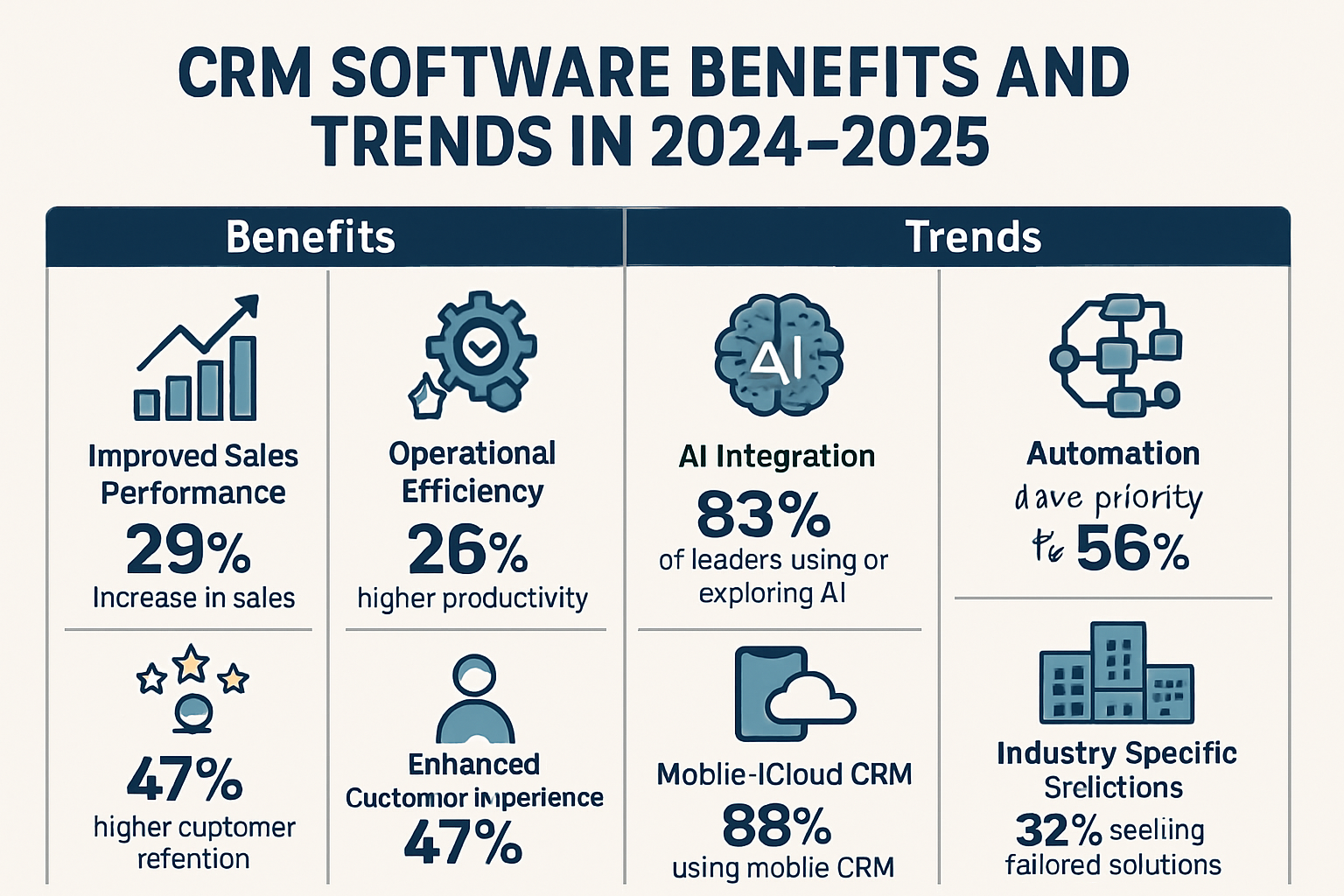
Customer Relationship Management (CRM) software has evolved from a sales-centric database tool to a central pillar of modern business operations, affecting nearly every aspect of sales, marketing, and customer service. In 2024 and looking into 2025, CRM software are more strategic, data-driven, and integrated into business processes than ever before. This blog explores current data, researched benefits, and the reasons businesses are increasingly reliant on CRM software—without resorting to buzzwords or superficial trends.
CRM Software Adoption: Current Landscape
Widespread Use: In 2024, 73% of businesses worldwide are using CRM software. Adoption is particularly high in the technology sector (94%), with rapid growth in manufacturing (86%), education (85%), healthcare (82%), and even among small businesses (71% of those with 500 or fewer employees) . Market Growth: The global CRM software market is expected to reach $82 billion by 2025, highlighting its expanding role across industries .
Why Businesses Use CRM Software
1. Improved Sales Performance
Better Sales Outcomes: Companies utilizing CRM software are 86% more likely to exceed their sales goals compared to those that do not use a CRM . Revenue Increases: The majority of businesses report a sales revenue increase of 21–30% after implementing a CRM platform . Lead Handling: CRM systems utilize detailed analytics and lead scoring to help businesses prioritize contacts most likely to convert, improving conversion rates up to 300% .
2. Operational Efficiency and Cost Control
Time Savings: CRMs save employees an average of 5–10 hours per week by automating manual processes, organizing customer data, and reducing redundancy . Sales Cycle Acceleration: Businesses report an average reduction of 8–14 days in their sales cycles when using a CRM . Customer Acquisition Cost (CAC): Nearly half of businesses saw an 11–20% reduction in CAC after CRM implementation .
3. Enhanced Customer Experience
Personalized Interactions: Modern CRMs collect and centralize customer data to power more personalized marketing and support . Retention Benefits: CRM systems have been shown to increase customer retention by 27% and improve the overall quality of customer relationships by 74% . Customer-Centric Operations: In 2024, 73% of buyers say that customer experience drives purchasing decisions; CRM software is a cornerstone for meeting these expectations .
Key CRM Features Driving Business Value
A. Artificial Intelligence
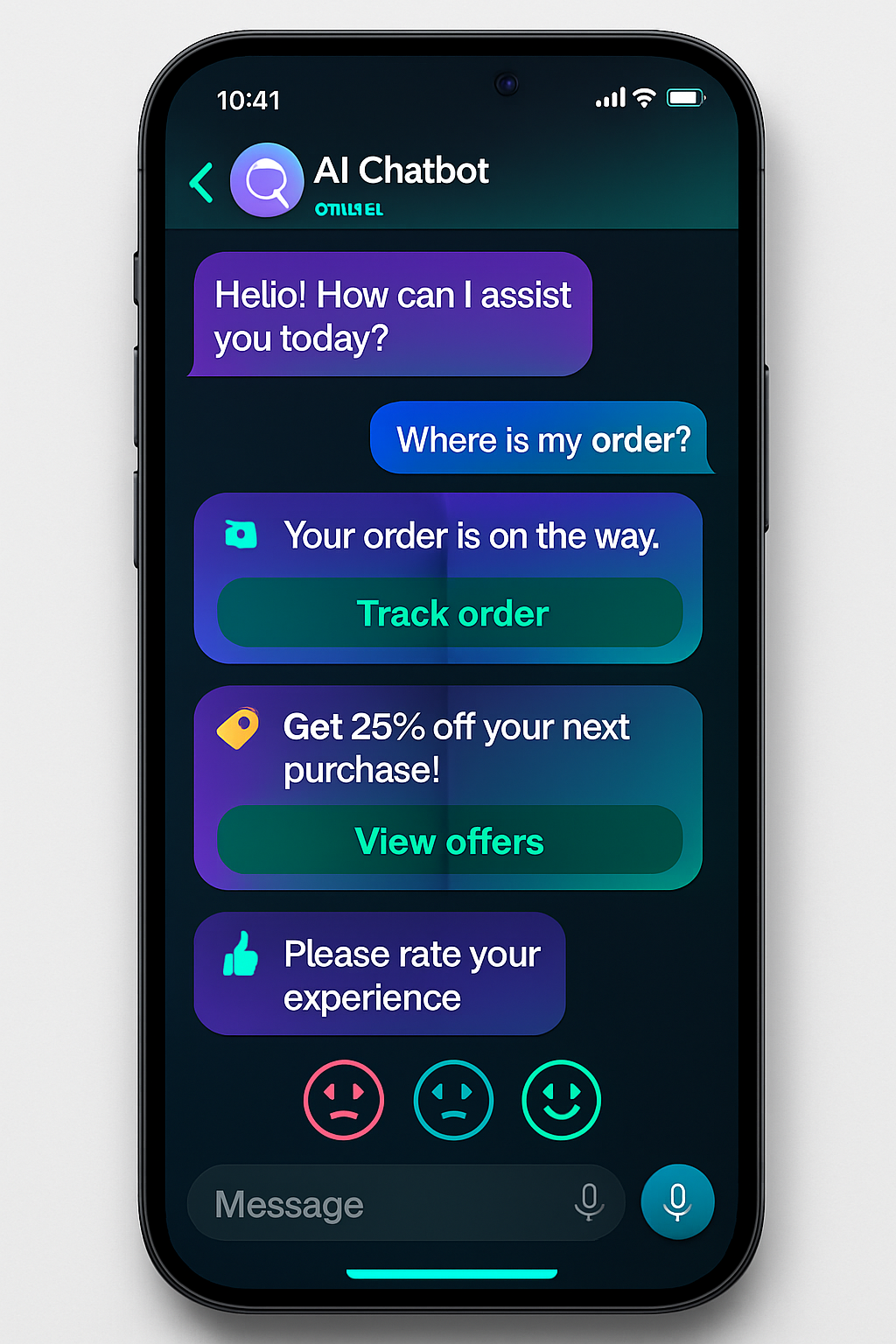
AI Integration: 65% of businesses now use a CRM with generative AI capabilities. Companies leveraging AI in their CRM systems are 83% more likely to exceed sales targets . Automated Insights: AI functions such as predictive analytics, sentiment analysis, and lead qualification accelerate decision-making and free staff for higher-value tasks . Conversational AI: Chatbots and virtual assistants within CRMs deliver timely customer support, classify requests, and learn customer preferences over time . Retainuser AI-Powered WhatsApp Chatbot
B. Mobile and Cloud CRM
Mobile Access: 70% of enterprises use mobile CRM, enabling teams to update data, access customer files, and communicate while on the move . Remote Collaboration: Cloud-based CRMs make it easier for teams to work from anywhere, share real-time updates, and collaborate effectively without geographical barriers .
C. Workflow and Sales Automation
Process Streamlining: Automating routine tasks with CRM software reduces manual data entry, increases accuracy, and enables faster response times . Custom Workflows: Self-serve tools and no-code/low-code customization let teams adapt CRM workflows to unique business needs, without relying on IT departments .
D. Security and Compliance
Data Protection: CRM providers enhance security with advanced encryption and privacy controls to support regulatory compliance requirements such as GDPR or CCPA . Compliance Features: Industry-specific CRMs offer pre-built frameworks for fields like finance and healthcare, making it easier to adhere to rules and handle sensitive data .
Industry-Specific CRM Solutions
Verticalized CRMs: Tailored solutions for industries such as finance, healthcare, real estate, and field services are on the rise. These come with custom workflows, integrations, and compliance structures out of the box, reducing setup time and increasing regulatory confidence .
CRM Trends Shaping 2025
AI, Automation, and Predictive Analytics are now considered standard expectations within major CRM platforms . Mobile-first development ensures CRM features are equally available on smartphones, making business agility a reality . Customer journey mapping and omnichannel experience allow businesses to visualize and optimize every stage of a customer’s interaction . No-code/low-code platforms are democratizing CRM customization, making tools more accessible to teams without advanced technical skills . Integrated Customer Data Platforms (CDPs) are increasingly paired with CRM systems for a unified view of the customer, powering even more targeted engagement .
Conclusion
CRM software is not merely a digital filing cabinet. In 2024 and 2025, it sits at the center of business strategy, budget allocation, and customer experience design. With robust data supporting strong returns on investment, time savings, and improvements in both sales and customer retention, CRM adoption has become a competitive imperative. The evolution continues, fueled by AI, mobile platforms, and industry-specific innovations—each trend rooted in solving tangible business challenges for organizations of any size.
.png)
CRM System- 5 Reasons Why Company Should Use It
How WhatsApp Business API Can Boost Your Sales: A Comprehensive Guide


 Free Integration
Free On-Boarding Call
Free Integration
No Hidden Cost





Copyright © 2026 | RETAINUSER CRM SOFTWARE PRIVATE LIMITED. All rights reserved.

.png)