
It is no secret that the real estate market in India is becoming more competitive by the year. Brokers must manage hundreds of leads, juggle client interactions, schedule property visits, chase paperwork, and make sure nothing slips through the cracks. A good CRM (Customer Relationship Management) software can bring order to this chaos, helping brokers streamline daily tasks and focus on closing deals.
But not every CRM is suitable for real estate professionals. The best ones are designed for property brokers’ workflows, making their day-to-day tasks easy and less time-consuming. Let us explore the must-have features for Indian real estate brokers in detail.
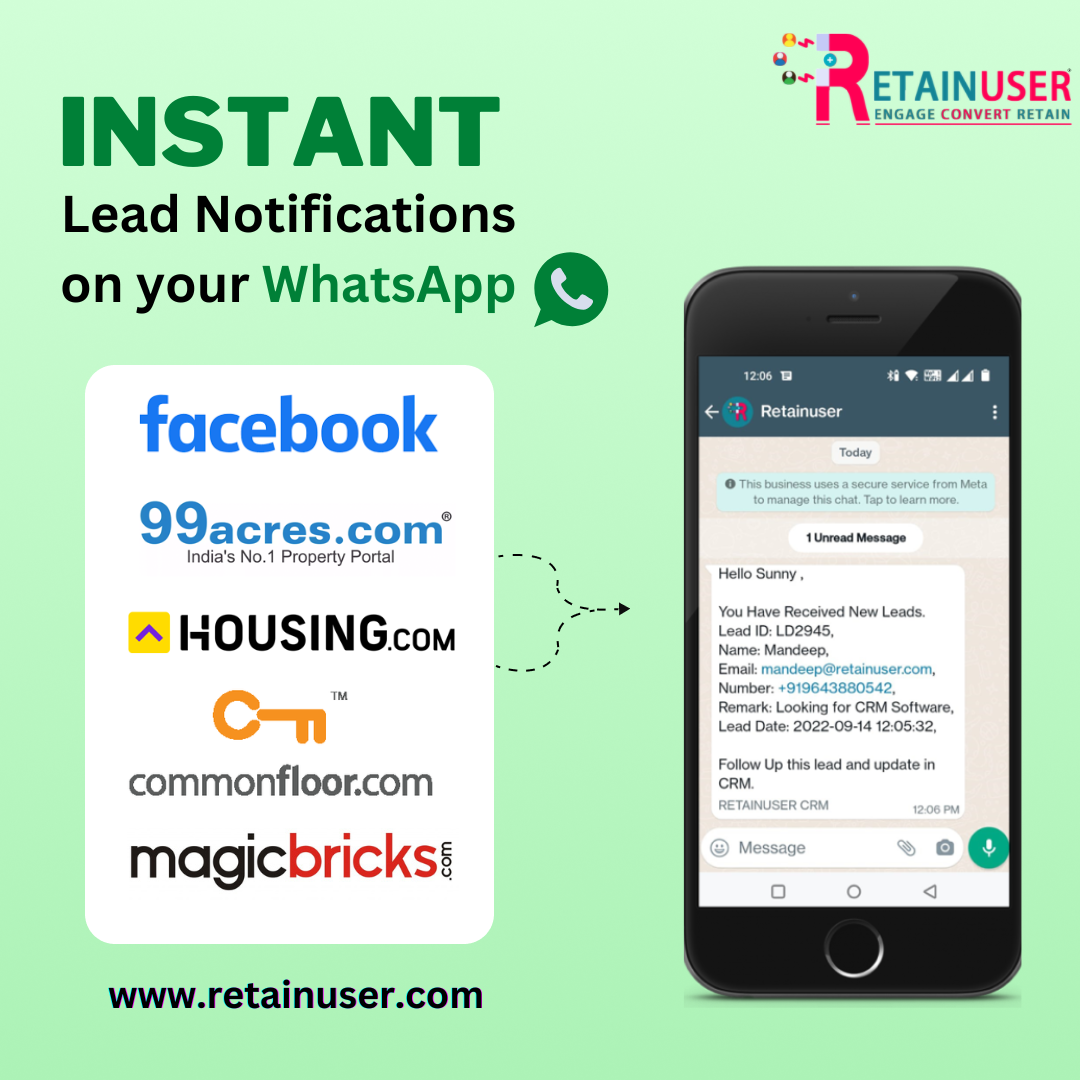
A real estate broker’s biggest headache is organising leads from many sources—property portals like MagicBricks and 99acres, social media, walk-ins, or referrals. Real estate CRM software should provide a centralised dashboard where all leads are stored, tracked, and updated automatically.
This feature is vital to ensure all inquiries get proper follow-up, which increases closing rates.
Indian clients love WhatsApp for real estate discussions. CRM software must offer integrated WhatsApp messaging—where brokers can chat, send documents, property photos, and share updates without switching apps.
Multi-channel support (calls, SMS, email) is equally important. Agents should be able to communicate from within the CRM, ensuring professional and timely conversations.
Client trust is everything in real estate. CRM should keep a full record of every touch point—calls, WhatsApp chats, emails, SMS, meetings, and documents—linked to the client or deal.
Having this centralised history also helps when agents move projects or brokerages—nothing important is lost in transition.
Unlike generic CRM systems, real estate brokers need software that tracks property inventory and project details in detail.
Some advanced systems also integrate real-time MLS (Multiple Listing Service) data, keeping property records updated and helping agents make faster decisions.
Manual reminders are risky and inefficient. Brokers need workflow automation—where the CRM sends automatic follow-ups, schedules property visits, and triggers reminders for important dates.
With automation, agents save time and focus on what matters—finding and closing deals.
Real estate deals include a lot of paperwork—sale agreements, registration documents, NOCs, payment receipts. CRM software should have document management features to store and retrieve these files easily.
This is especially useful when agents need instant access to documents while on the field.
Brokers in India work on the go—field visits, meetings, and short listing properties—so the CRM must provide strong mobile support.
Cloud-based CRMs are better as they do not depend on a single office computer and can be accessed anywhere.
Managing a team of agents is difficult without proper analytics and tracking. CRM software should offer:
This keeps everyone accountable, boosts team morale, and helps brokers manage larger groups efficiently.
Indian brokers use several platforms—property portals, websites, WhatsApp, payment gateways, and more. A good CRM software should easily integrate with these services.
Integration capabilities ensure the CRM stays relevant even as business needs grow and change.
Every real estate business is unique. Custom CRM modules let brokers adapt workflows, lead stages, and reports as per their requirements.
This ensures the CRM will remain useful as the business grows.
The modern Indian real estate broker needs a CRM that goes beyond basic contact lists or reminders. Look for features like multi-channel lead management, WhatsApp integration, mobile access, workflow automation, document storage, and easy integrations. Custom modules and analytics make life even easier. Choosing the right CRM software will transform your business, help you close more deals, and give clients the professional service they expect.
.png)
WhatsApp for Real Estate Simplifying Property Communication
Best Real Estate Agent CRM Software to Grow Your Business in 2026 | Retainuser


 Free Integration
Free On-Boarding Call
Free Integration
No Hidden Cost





Copyright © 2026 | RETAINUSER CRM SOFTWARE PRIVATE LIMITED. All rights reserved.