

In today's rapidly evolving educational landscape, Customer Relationship Management (CRM) systems have emerged as game-changing tools for educational institutions across India. As the country experiences unprecedented growth in its EdTech sector—projected to reach $29 billion by 2030—educational institutions are recognizing that effective student relationship management is no longer optional but essential for survival and success.
The Transformative Power of CRM in Education Educational institutions in India are fundamentally relationship-driven organizations. They manage complex interactions with prospective students, current students, parents, alumni, faculty, and staff. A specialized education CRM serves as the central nervous system that connects all these stakeholders, creating a unified platform for managing the entire student lifecycle from initial inquiry to graduation and beyond.
Unlike generic business CRMs, education-focused CRM Software are purpose-built to handle the unique challenges of academic institutions. They integrate crucial functions like admissions management, student tracking, communication automation, and performance analytics into a single, cohesive platform that transforms how institutions operate.
India's Educational Landscape: Challenges That Demand CRM Solutions Intense Competition and Rising Enrollment India's education sector faces unprecedented competition, with over 1,113 universities and 43,796 colleges competing for the best students. The admission process has become increasingly competitive, with colleges experiencing **cut-off percentages reaching as high for popular courses. Educational institutions must differentiate themselves not just through academic excellence but through superior student service and engagement.
The numbers are staggering: 4.32 crore students are currently enrolled in higher education, representing a 31.6% increase in female student participation since 2014. This growth creates both opportunities and challenges for institutions seeking to attract and retain quality students.
Digital Transformation Imperatives The National Education Policy (NEP) 2020 has fundamentally shifted India's educational paradigm, emphasizing technology integration, personalized learning, and digital infrastructure development. Educational institutions must adapt to this digital-first approach or risk becoming obsolete.
Research shows that digital channels now drive 72% of student leads and 62% of total enrollments in India, marking a dramatic shift from traditional offline recruitment methods. This digital transformation requires sophisticated systems to manage the increased volume and complexity of student interactions.
Operational Inefficiencies and Manual Processes Many Indian educational institutions still rely on paper-based processes and manual data management, creating significant operational bottlenecks. These traditional methods lead to increased errors, delayed responses, and poor student experiences—factors that can severely impact an institution's reputation and enrollment numbers.
The admission period, in particular, presents enormous challenges. With 78% of school administrators believing that digitalizing the admission process significantly improves efficiency and parent satisfaction, the pressure to modernize is immense.
Strategic Benefits of CRM Implementation Enhanced Student Recruitment and Enrollment A well-implemented AI-Powered WhatsApp Chatbot and CRM Software can increase enrollment rates by up to 11% by optimizing recruitment processes and enabling data-driven decision making. The system allows institutions to:
Track prospective students from initial inquiry through final enrollment Automate personalized communication based on student interests and behaviors Analyze recruitment data to identify the most effective channels and strategies Reduce student acquisition costs by 30% through improved operational efficiencyImproved Student Retention and Success Student retention is critical for institutional success and reputation. CRM systems enable proactive student engagement by identifying at-risk students early and implementing timely interventions. Research indicates that institutions using CRM analytics see a 15% increase in retention rates.
The system provides a 360-degree view of each student, allowing educators and administrators to:
Monitor academic progress and engagement levels Identify students who may need additional support Provide personalized learning experiences Track student satisfaction and address concerns promptlyStreamlined Administrative Operations CRM for educational institutions eliminate the administrative chaos that plagues many educational institutions. By centralizing all student information in a single database, institutions can:
Reduce manual data entry errors by up to 90% Automate routine tasks like follow-up communications and document collection Improve communication efficiency across departments Generate real-time reports for data-driven decision makingCost Savings and ROI The financial benefits of CRM implementation are substantial. According to Salesforce research, educational institutions using CRM systems achieve an average of $2.4 million in total legacy cost savings with a 195% ROI over three years. The system delivers cost savings through:
Reduced administrative overhead Improved resource allocation Lower marketing and recruitment costs Decreased student attrition ratesKey Features That Make Education CRM Essential Comprehensive Lead Management Modern education CRMs provide sophisticated lead capture and management capabilities that automatically collect inquiries from multiple sources—websites, social media, educational portals, and offline events. The system then distributes leads to appropriate counselors and tracks every interaction, ensuring no potential student falls through the cracks.
Automated Communication Workflows Automated email sequences, SMS notifications, and WhatsApp integration ensure timely and consistent communication with prospective students and parents. These systems can send personalized messages based on student interests, program preferences, and stage in the enrollment process.
Advanced Analytics and Reporting CRM systems provide powerful analytics dashboards that offer insights into:
Conversion rates at each stage of the enrollment funnel Performance metrics for different recruitment channels Student engagement patterns Institutional performance indicatorsIntegrated Document Management The system manages all student documents digitally, from application forms to certificates, eliminating the risk of lost paperwork and ensuring easy access for authorized personnel.
Mobile Accessibility With mobile-first design, modern education CRMs allow staff to manage student relationships from anywhere, providing flexibility and ensuring continuous engagement.
Addressing India-Specific Challenges Language and Cultural Diversity Indian education CRMs are designed to handle the country's linguistic diversity, offering support for multiple regional languages and cultural preferences. This localization ensures effective communication with students and parents across different regions.
Integration with Local Payment Systems These systems integrate with popular Indian payment gateways and support various payment methods preferred by Indian families, making fee collection seamless and accessible.
Compliance with Indian Regulations Education CRMs designed for the Indian market ensure compliance with local educational regulations and data protection requirements, providing institutions with peace of mind.
The Competitive Advantage of CRM Adoption Institutions that successfully implement CRM systems gain significant competitive advantages:
Faster Response Times In a market where students often apply to multiple institutions, quick response times can be the difference between enrollment and lost opportunities. CRM systems enable automated acknowledgments and instant follow-ups, ensuring prospective students feel valued from their first interaction.
Personalized Student Experience Modern students expect personalized interactions—the same level of service they receive from leading consumer brands. CRM systems enable institutions to deliver this personalization at scale, creating memorable experiences that influence enrollment decisions.
Data-Driven Decision Making Access to comprehensive analytics allows institutions to make informed decisions about marketing spend, program development, and resource allocation. This data-driven approach leads to better outcomes and improved institutional performance.
Scalability and Growth As institutions grow, CRM systems scale effortlessly, accommodating increased student volumes without proportional increases in administrative staff. This scalability is crucial for institutions planning expansion or facing rapid enrollment growth.
Implementation Best Practices for Indian Institutions Phased Rollout Strategy Successful CRM implementation requires a phased approach, starting with core functions like lead management and gradually expanding to include advanced features like analytics and automation.
Staff Training and Change Management Comprehensive staff training programs ensure smooth adoption and maximize system utilization. Change management strategies help overcome resistance to new technologies.
Integration with Existing Systems The CRM should integrate seamlessly with existing student information systems, learning management systems, and financial software to create a unified technology ecosystem.
Continuous Optimization Regular system monitoring and optimization ensure the CRM continues to meet evolving institutional needs and delivers maximum value.
The Future of Education CRM in India As India's education sector continues its digital transformation journey, CRM systems will become increasingly sophisticated. Artificial Intelligence and Machine Learning integration will enable predictive analytics, automated decision-making, and even more personalized student experiences.
The rise of hybrid learning models and the emphasis on skill-based education outlined in NEP 2020 will require even more sophisticated relationship management tools. Institutions that invest in robust CRM systems today will be well-positioned to adapt to these future changes.
Conclusion: CRM as an Institutional Necessity In India's competitive and rapidly digitalizing education landscape, CRM systems have evolved from nice-to-have tools to absolute necessities. They address critical challenges facing Indian educational institutions—from intense competition and digital transformation requirements to operational inefficiencies and rising student expectations.
The benefits are clear and measurable: improved enrollment rates, higher student retention, reduced operational costs, and enhanced institutional reputation. As the Indian education market continues to grow and evolve, institutions that fail to adopt modern CRM systems risk being left behind by more agile, technology-enabled competitors.
For educational institutions serious about sustainable growth and student success, the question is not whether to implement a Education CRM Software, but rather how quickly they can begin their digital transformation journey. The institutions that act decisively today will be the ones that thrive in India's educational future.
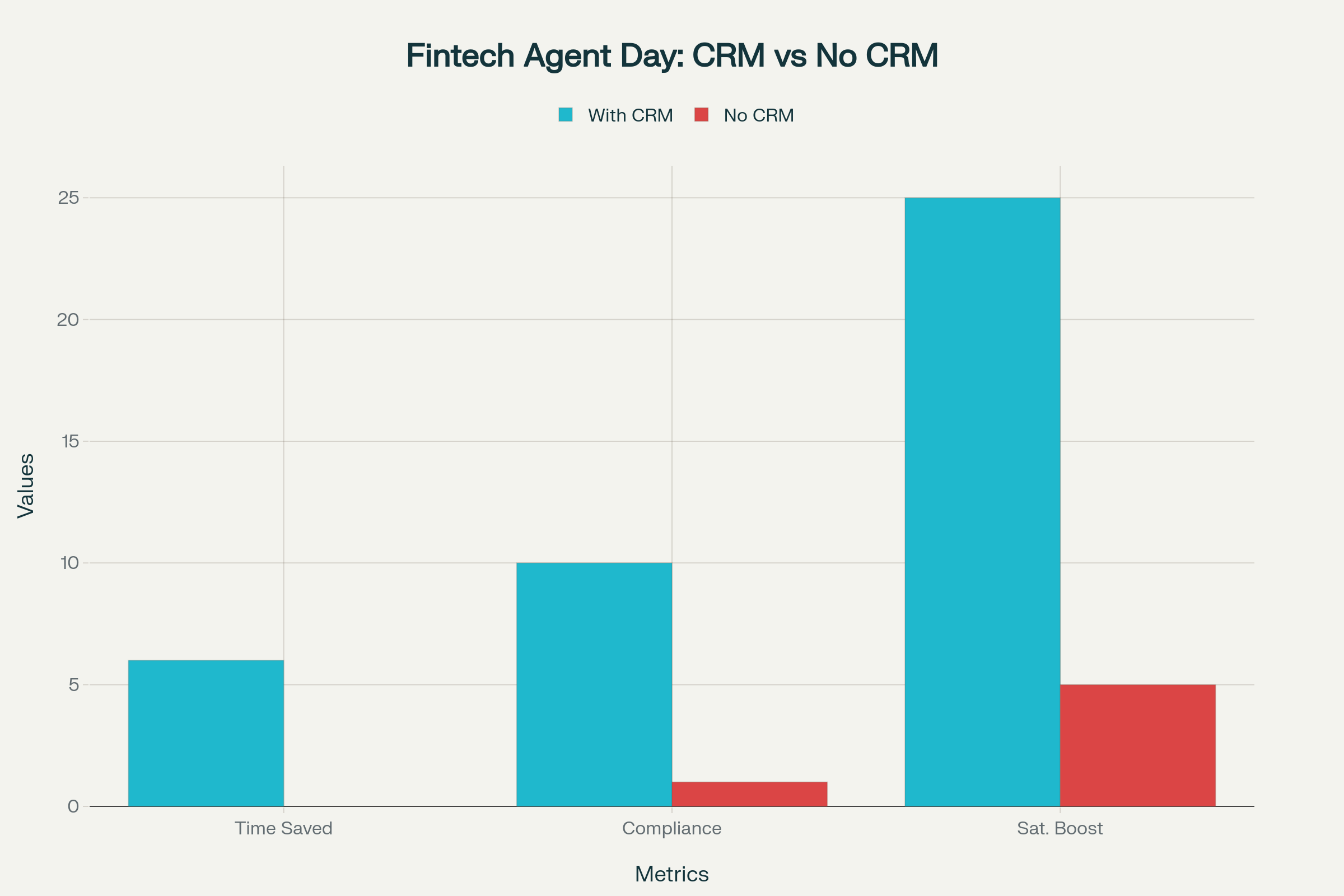
Why FinTechs Can’t Afford to Ignore CRM Software
WhatsApp for Real Estate Simplifying Property Communication
.png)



 Free Integration
Free On-Boarding Call
Free Integration
No Hidden Cost





Copyright © 2026 | RETAINUSER CRM SOFTWARE PRIVATE LIMITED. All rights reserved.